
ACTI-X architecture for coordinated cyber resilience
Written by - Infotrend Innovations team A reported phishing email arrives in one system. An unusual login appears in another, while a third tool flags a newly exposed web service. A security analyst needs to establish whether these signals are connected and what they mean for the business. Before a response, someone also has to decide which action is justified and who is allowed to carry it out.
ACTI-X, Advanced Cyber Threat Information eXchange, is developing a modular security ecosystem around this problem. Seven modules contribute different kinds of evidence, including endpoint activity, software weaknesses and phishing infrastructure. They retain their specialist roles. A central Cyber Threat Intelligence platform, based on OpenCTI, gives them a shared source of knowledge that can be reused across detection and investigation. The architecture also has to establish how findings lead to authorised actions.
The project includes extending existing security technologies and developing new capabilities, alongside the work needed to integrate them. Practitioner interviews inform six use cases covering phishing, vulnerability prioritisation, intelligence-led detection, account compromise, automated application abuse and deployment. Amadeus provides an initial travel-technology validation context, while the design aims to serve other transport domains and critical infrastructures.
Architectural views
ACTI-X uses the C4 model and the 4+1 architectural view approach. The views cover the overall context, logical responsibilities, software structure, runtime interactions and deployment, with scenarios showing how capabilities work together. Threat modelling complements these views by examining how information and authority cross component boundaries.
Seven capabilities with distinct responsibilities
Endpoint Detection and Response, or EDR, supplies observations from computers and servers, helping analysts establish whether a known threat has been encountered and which assets may be affected. Planned enhancements include threat hunting assisted by artificial intelligence (AI) and better analysis of evasive attacks. EDR also supports endpoint containment. Actions affecting accounts or application sessions need to reach the services that control them.
Vulnerability Detection helps teams decide which weaknesses need attention in their own environment. A published flaw matters differently depending on whether the affected software is present, which service relies on it and whether there is evidence of exploitation. The module assesses applicability and provides prioritisation and remediation guidance. By combining technical severity with threat information and business criticality, the design gives the responsible team a clearer basis for deciding what to investigate or fix first.
External Attack Surface Management, or EASM, identifies internet-facing assets and their exposure. It helps establish whether a domain, service or application belongs to the organisation and falls within its security scope. Analysts can use that context to assess vulnerabilities and scope investigations. An accessible asset may warrant attention, although finding it does not establish that it has been compromised.
Bot Detection and Application Monitoring examines application and network records for suspicious automated behaviour. ACTI-X gives particular attention to denial-of-inventory, where automated interactions can make limited commercial inventory unavailable to legitimate customers. For a business dependent on booking and availability, this is an operational concern as well as a security issue. The analysis needs suitable traffic or application records to establish what is happening.
The Phishing Crawler examines suspicious infrastructure and artefacts such as domains and URLs. Planned enhancements combine visual content analysis with technical artefacts and campaign patterns to help identify evasive phishing. Its findings need to distinguish genuine threats from awareness simulations and reports that remain uncertain. That classification must travel with the intelligence, so another system can interpret the finding correctly.
Incident Investigation and Response, or IIR, brings evidence together to explain what happened. It connects findings with affected users or systems and the records supporting the investigation. Its role includes analysis across sources, consolidated reporting and triggering a response where required. The design needs to identify separately who owns the case, who coordinates the workflow and which system carries out each action.
Authorization and Policy-as-Code, implemented through PermGuard, determines whether a protected operation is allowed. The rules are expressed in a form that software can manage and evaluate consistently. PermGuard provides the decision, which the application or infrastructure controlling the operation must enforce. Threat information can contribute to the decision when the necessary context and policies are available. Permission to act must always be evaluated explicitly. Decision logging will support audit and possible analysis of unusual access patterns.
OpenCTI as the shared intelligence layer
OpenCTI gives ACTI-X a common place to organise threat knowledge. Cyber Threat Intelligence, or CTI, adds interpretation to technical observations, explaining why something may be malicious and how it relates to other activity. A suspicious address is more useful when an analyst can connect it to an observed event or a known campaign and examine the evidence behind that connection.
In this design, each module keeps its specialist processing, while OpenCTI supports shared intelligence, enrichment, correlation and distribution. Modules can reuse relevant assessments when combining their findings. An endpoint observation can inform an investigation. Once the investigation establishes something useful about the threat, that knowledge can support later detection. For this to work, the receiving module needs to understand the information and where it came from.
The exchanges therefore need to preserve the original source and observation times, along with confidence and sharing restrictions. Confidence in an assessment has a different meaning from vulnerability severity or the importance of a service. Keeping those concepts separate prevents a receiving module from treating unlike scores as equivalent. Corrections also have to reach the systems using the intelligence. A withdrawn or expired indicator should not continue to guide decisions as though it were still valid.
Raw logs and investigation evidence need different handling from shareable CTI. ACTI-X's design separates reusable intelligence from detailed source records, case information and action outcomes. An analyst may need access to a sensitive log during an investigation without publishing it as threat intelligence. A source reference allows the analyst to trace a conclusion back to the evidence, with access controlled by the organisation responsible for that record. This traceability is what provenance provides.
How the capabilities work together
The phishing use case shows how these contributions fit together. Historical information and simulation records help classify a suspicious report. When the findings support an active threat, relevant artefacts can be shared through the CTI platform. Possible campaign links and related observations give the analyst more evidence to examine as the investigation develops.
The modules contribute according to the questions raised by the report. EASM can help establish whether suspicious infrastructure relates to an asset owned by the organisation. Bot analysis may add relevant campaign or abuse context. Endpoint records and other approved evidence sources help IIR investigate whether users or systems interacted with the threat. If containment is justified, the request must reach the system controlling the affected endpoint, account or communication channel. Confirmed findings can then enrich the shared intelligence. Any remaining uncertainty stays attached to the assessment.
In the vulnerability use case, the first task is to establish whether a reported weakness applies to the organisation's assets. Reports may come from external advisories, EDR, EASM or the vulnerability capability. Technical severity and the likelihood of exploitation help with prioritisation, alongside installed software and service importance. The same flaw can warrant different responses in different business contexts. ACTI-X connects these inputs to guidance for the responsible team, which retains the relevant authority over remediation. A patching decision must account for the consequences of changing the production system.
The exposed-asset use case starts when EASM discovers an application or endpoint that was outside the monitoring scope. CTI enrichment helps assess its relevance to denial-of-inventory risk. Bot Detection can investigate behaviour if suitable application or network records are available. When they are missing, the workflow records a monitoring gap and the relevant data sources need to be connected before that analysis can proceed. This avoids drawing reassuring conclusions from an absence of evidence.
The account-compromise and intelligence-led matching use cases bring other evidence into the same process. Incoming indicators are checked against relevant observations, while suspicious account activity can be examined alongside endpoint, phishing and application records. The resulting assessment may lead to an authorised action or an advisory. For a Computer Security Incident Response Team (CSIRT) advising another organisation, the affected operator retains responsibility for containment. Information can be shared without transferring operational authority.
Connecting tools through agreed interfaces
These workflows depend on each receiving system understanding the information correctly and returning a clear outcome when an action is requested. ACTI-X distinguishes how intelligence is described from how it is delivered. STIX, Structured Threat Information Expression, provides a standard language for representing CTI. TAXII, Trusted Automated Exchange of Intelligence Information, provides a protocol for exchanging it. A module can use STIX without implementing its own TAXII service. The delivery route depends on the exchange and on what the sending and receiving systems support.
A module's findings may need conversion into the proposed ACTI-X CTI profile, defining how shared intelligence will be represented. A receiving detection tool may then need translation into the indicator types it understands. OpenCTI offers connectors, TAXII collections and live streams. ACTI-X's integration work evaluates the route appropriate to each exchange, taking account of the platform version and the module's capabilities.
Translation has to preserve the distinctions an analyst would make. A description of a possible threat is different from evidence that it has been observed. A suggested response is different from a completed action. The common profile is intended to establish shared rules for these distinctions, with mappings for the information each module produces. Representative findings can then be used to test whether a receiving system interprets them correctly.
Sharing intelligence and asking a system to do something require different exchanges. A request to retrieve evidence, start an investigation or contain an endpoint must identify the action and the asset or case concerned. The receiving system checks the caller's permissions and returns an outcome. If evidence is unavailable or an action fails, that result remains visible to the analyst or coordinating workflow. Sending a request is therefore distinct from confirming that it succeeded.
Connecting existing tools also means translating the information they produce. An adapter connects a data source to the module that uses it, translating formats and identifiers. Different systems may name the same device differently. Reliable integration preserves that identity and the source of the information. Connections to local logs and asset inventories serve a different purpose from OpenCTI's intelligence connectors.
AI and control over automated response
ACTI-X's design separates threat assessment from the authority to act. Confidence describes the strength of an assessment. A response also depends on policy, the affected service and the consequences of intervention. Containing a compromised workstation has different operational implications from interrupting a service used for critical transactions. Automated and analyst-controlled responses therefore follow the controls appropriate to the action and its context.
Authentication establishes who a user or service is. Authorisation determines what it may do. Permissions apply to analysts and to the service identities used by modules. Where PermGuard is used, it supplies the policy decision, which the system responsible for the operation enforces. Human approval is required where policy calls for it. The executing system records the outcome, distinguishing a requested response from a completed one.
AI contributes through different forms of analysis. Classification and behavioural models support specialist detection, while language models assist with organising investigation material and explaining findings. Relevant records provide evidence for that analysis. An analyst can then examine the source of a recommendation and assess its relevance to the case. Model output is treated as an assessment tied to the available evidence, including its uncertainty and gaps.
Permission to analyse information is separate from permission to change a system. AI assistance uses the data allowed for its task, while workflow coordination tracks approved steps and their outcomes. This separation limits the authority delegated to analytical components. Model versions and the information used for analysis are part of traceability, since a changed model or reference source can alter a recommendation even when the software interface remains unchanged.
Deployment choices and adoption
Where these capabilities operate also shapes how information is protected and who is responsible for applying the controls. ACTI-X's deployment model covers both the capabilities an organisation adopts and where they operate. A full-suite deployment brings together all seven modules around the CTI platform. Selective adoption connects the capabilities needed for the organisation's use cases. The selection accounts for dependencies between modules and the availability of relevant data, so the resulting combination supports a usable detection or investigation flow. Hosting and integration choices then reflect the organisation's operating environment.
On-premises deployment places the CTI platform and selected module services within the organisation's own infrastructure. This gives the organisation direct control over the environment holding its security information and supporting services. It is relevant where local operational control or data-location constraints are important. The organisation also takes responsibility for capacity, service availability and recovery, alongside administration of identities and access.
Cloud deployment places the platform and selected services in a public or private cloud. Connections to local agents, data collectors and existing tools link that environment to the systems being protected. Cloud hosting retains the distinction between shared CTI and restricted source evidence. Data location, access controls and the division of operational responsibilities remain part of the deployment choice, including where supporting services are provided by a cloud operator.
Hybrid deployment distributes components across on-premises, cloud and approved partner-hosted environments. It allows selected data and processing to stay close to their source while the CTI platform provides shared intelligence. Endpoint collection, for example, remains associated with the monitored systems even when central analysis is hosted elsewhere. Cross-environment exchanges carry approved information, with a consistent identity for the relevant asset or case. Delayed delivery and interrupted connections are handled as operating conditions of the distributed system.
Air-gapped deployment operates without a direct connection to external networks. It is restricted to functions and modules that support offline operation, with local identity services and controlled transfers of approved intelligence and update packages. Live internet discovery and public-web crawling depend on external access and cannot retain their full functionality inside a strict air gap. Imported intelligence still supports local analysis, with its age taken into account. Isolation changes which functions are available and how information is refreshed.
These hosting options are separate from the way ACTI-X is introduced. In a greenfield deployment, the organisation starts without an existing CTI platform. The OpenCTI-based platform establishes the shared intelligence foundation, followed by progressive connection of the selected modules and data sources. Each addition extends the capabilities available to analysts while retaining a coherent basis for exchanging intelligence.
Migration introduces ACTI-X alongside an existing CTI platform. Existing intelligence, feeds and integrations are transferred in controlled groups, preserving their source information and sharing restrictions. Parallel operation allows the organisation to compare results and maintain an operational fallback during the transition. Where ACTI-X replaces the previous platform, retirement follows operational acceptance and the organisation's record-retention rules. This approach protects continuity while the organisation moves to the new environment.
Brownfield coexistence concerns the tools an organisation retains, independently of where ACTI-X is hosted. An existing endpoint, monitoring or response tool can continue to perform its established role while exchanging approved information with ACTI-X. Substitution for an ACTI-X module depends on the required capability, interfaces and security controls being met. Clear responsibility for data and actions prevents two active systems from making competing changes. A hybrid deployment can also be brownfield.
Modularity continues to matter after installation. An update to one module can change the information another receives, even if the updated product works correctly on its own. The deployment approach connects a developer's release to integration checks and approval for the adopting organisation's environment. Compatible interfaces, recorded versions and rollback arrangements support controlled updates, including delivery through an approved offline process where direct connectivity is unavailable.
Information sharing follows the same organisational boundaries across these options. Approved partners receive information under the applicable access and sharing rules, with disclosure limited to what is needed. A public threat view uses a separately approved dataset prepared for publication. Sensitive source records and operational details retain their handling restrictions. An organisation's participation in intelligence exchange therefore does not imply public disclosure of the evidence or response arrangements behind its findings.
Shared intelligence for operational resilience
A security finding matters beyond the tool that produces it. Someone must understand what it means, establish which services are affected and decide whether intervention is justified. That work crosses the boundaries of individual tools and teams. The quality of the eventual decision depends on whether the evidence remains understandable as it passes between them, and whether those responsible have enough context to act with confidence.
ACTI-X brings its specialist capabilities together around OpenCTI to support that shared understanding. An endpoint observation can contribute to an investigation, exposure information can change the priority of a vulnerability, and confirmed findings can inform subsequent detection. These connections give individual observations a wider purpose. Knowledge gained through one capability becomes available to others, with its source and handling restrictions preserved.
This cooperation must also fit the organisations using it. Existing investments, operational constraints and responsibilities shape how security capabilities can be introduced and maintained. ACTI-X's modular approach allows adoption to follow those conditions, while keeping control over sensitive evidence and response actions with the responsible organisation. As capabilities develop, the connections between them must remain dependable enough for people to understand the consequences of a change.
Ultimately, cyber resilience is experienced through the continuity of the services people rely on. The architectural ambition of ACTI-X is to make specialist security knowledge useful in protecting that continuity. A finding should reach the people who need it, an investigation should leave them better informed, and a response should be grounded in evidence and clear authority. That is the practical meaning of coordinated resilience.
Cybersecurity: The Invisible Backbone of Next-Generation Healthcare
Written by - Infotrend Innovations team 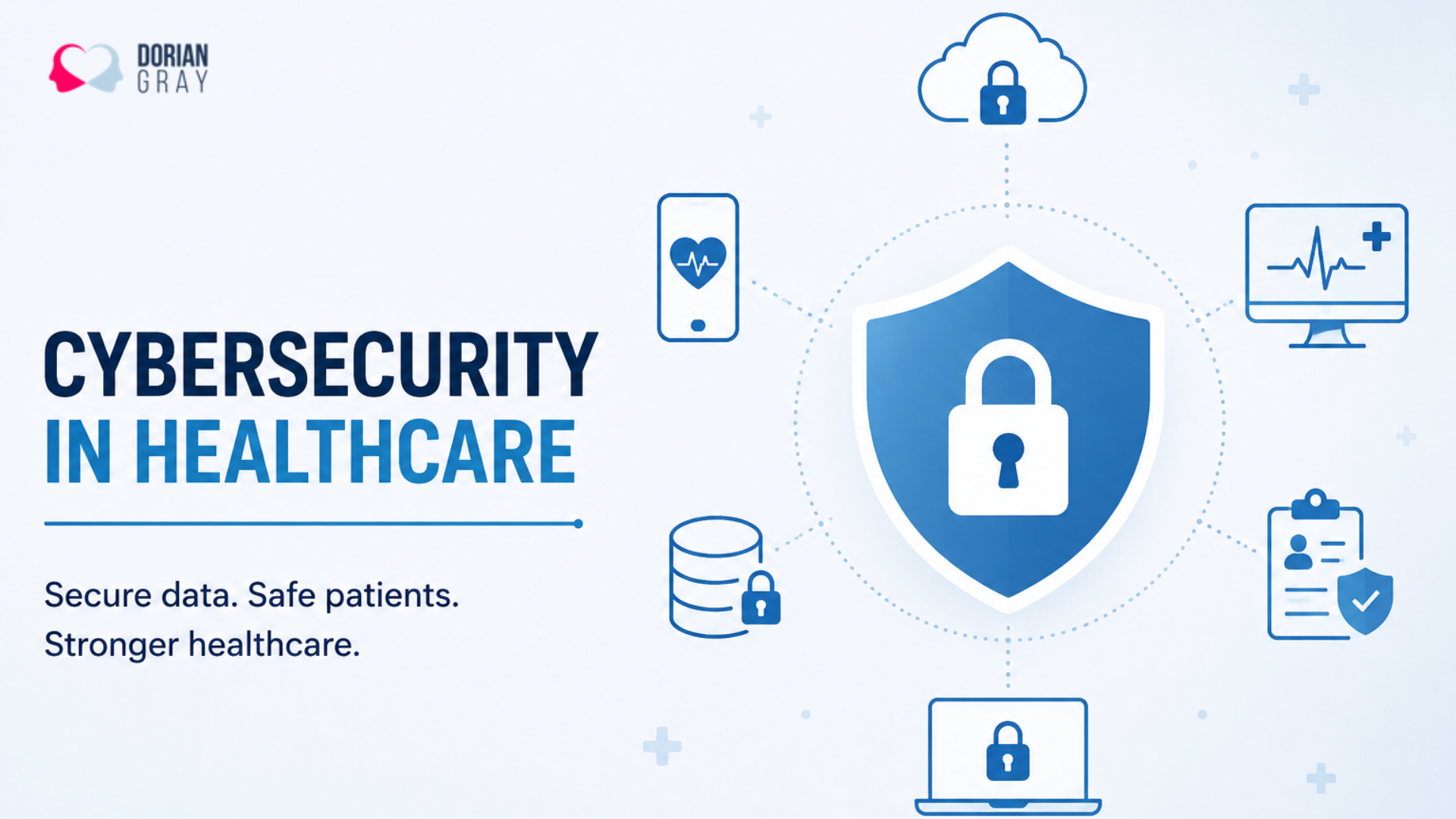
Healthcare is experiencing one of the fastest digital transformations of any critical sector. Artificial intelligence (AI), cloud computing, connected medical devices, wearable sensors, digital twins, and electronic health records are revolutionising patient care by enabling earlier diagnosis, personalised treatments, and continuous remote monitoring. Yet behind every technological breakthrough lies a fundamental requirement that often goes unnoticed: cybersecurity.
Today, hospitals no longer rely solely on traditional medical equipment. Modern healthcare environments operate as highly interconnected digital ecosystems where medical devices communicate with hospital networks, cloud platforms exchange patient information in real time, and AI algorithms support clinical decision-making. While this connectivity improves efficiency and patient outcomes, it also significantly expands the attack surface for cybercriminals.
Healthcare has become one of the most targeted sectors worldwide. Unlike financial data, which can often be replaced or cancelled, medical information is permanent. Electronic health records contain highly sensitive personal details, medical histories, prescriptions, imaging results, genetic information, and insurance data. A successful cyberattack can therefore have consequences far beyond financial loss, directly affecting patient privacy, treatment continuity, and even patient safety.
Recent ransomware attacks against hospitals have demonstrated how cybersecurity incidents can disrupt clinical services, delay surgeries, interrupt emergency care, and prevent clinicians from accessing critical patient information. As healthcare increasingly depends on digital technologies, protecting the availability, integrity, and confidentiality of medical systems becomes essential for maintaining operational resilience.
Artificial intelligence introduces another important cybersecurity dimension. AI systems rely on vast amounts of high-quality data to generate accurate predictions and recommendations. If datasets are manipulated, corrupted, or accessed by unauthorized parties, AI models may produce unreliable results that could negatively influence clinical decisions. Protecting AI throughout its entire lifecycle, from data collection and model training to deployment and continuous monitoring, is therefore becoming a key priority for healthcare organisations.
Projects such as DORIAN GRAY, funded under the Horizon Europe programme, illustrate this evolution of digital healthcare. The project develops AI-powered tools, Digital Twin technologies, wearable monitoring systems, and personalised prevention strategies to address cardiovascular disease and cognitive impairment. These innovative solutions depend on the secure collection, transmission, storage, and analysis of sensitive health information, making cybersecurity an essential enabling technology rather than simply a technical requirement.
Digital Twins represent one of the most promising innovations in healthcare. By creating virtual representations of patients using clinical data, medical imaging, wearable sensors, and lifestyle information, they allow physicians to simulate disease progression and personalise treatment strategies. However, these virtual models are only as trustworthy as the security protecting the underlying data. Ensuring authenticity, preventing tampering, and maintaining system integrity are fundamental to preserving confidence in these advanced technologies.
Wearable devices further illustrate this challenge. Smartwatches, biosensors, cardiac monitors, and mobile health applications continuously generate valuable physiological data outside hospital environments. While these technologies improve preventive medicine and enable continuous monitoring, they also introduce new cybersecurity risks involving wireless communications, cloud infrastructures, mobile applications, and Internet of Medical Things (IoMT) devices. Strong encryption, secure authentication, network segmentation, and continuous vulnerability management are increasingly necessary to protect this expanding ecosystem.
Cybersecurity in healthcare also extends beyond technology. Human factors remain one of the most common causes of security incidents. Healthcare professionals frequently operate under intense time pressure, making phishing emails, credential theft, and social engineering attacks particularly effective. Continuous cybersecurity awareness training, robust access control policies, and security-by-design principles are therefore just as important as technical safeguards.
European initiatives increasingly recognise that digital innovation and cybersecurity must progress together. Regulations such as the General Data Protection Regulation (GDPR), the NIS2 Directive, and the forthcoming European Cyber Resilience Act encourage organisations to integrate cybersecurity into every stage of digital transformation. Healthcare innovation is no longer measured solely by the sophistication of AI algorithms or connected devices, but also by the ability to protect patients, preserve trust, and ensure resilience against evolving cyber threats.
As healthcare continues to embrace artificial intelligence and connected technologies, cybersecurity will remain the invisible foundation supporting every digital innovation. By embedding security into the design of future healthcare systems, Europe is building an environment where technological progress, patient safety, privacy, and trust can evolve together, ensuring that digital medicine remains both innovative and secure for generations to come.
Multi-Domain Intervention Trials: Advancing the Prevention of Cognitive Decline
by LETHe Project | Jan 8, 2025 |
Full Original Post: Multi-Domain Intervention Trials in Prevention of Cognitive Decline
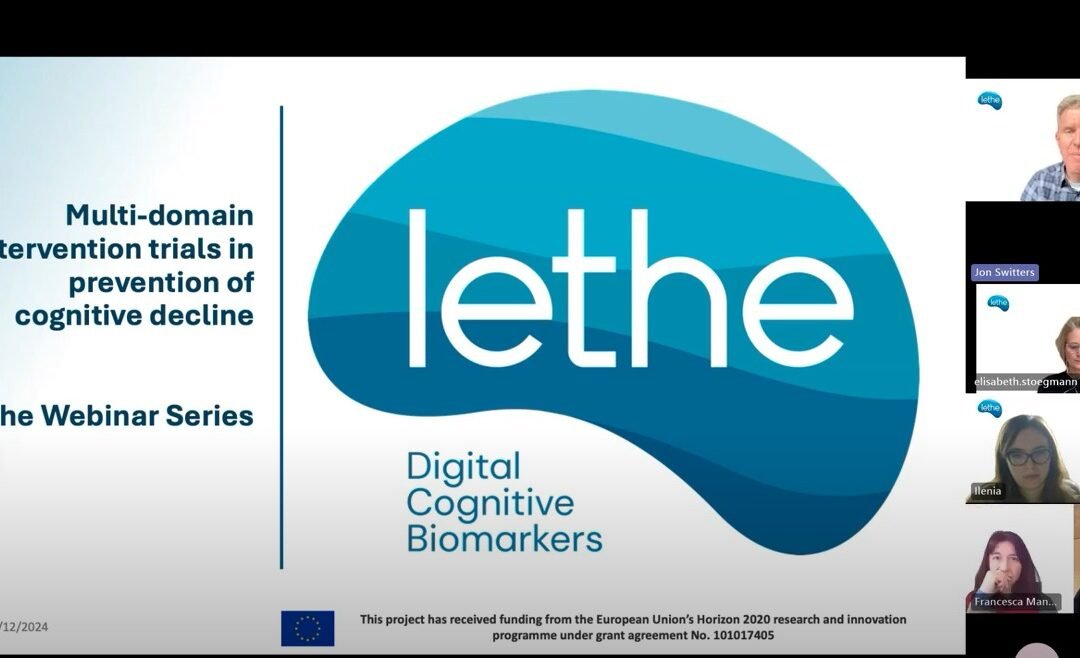
The LETHe Project's latest initiative focuses on the development and execution of multi-domain intervention trials, aiming to address cognitive decline through innovative and personalized approaches. These trials are designed to combine various factors such as nutrition, physical activity, and digital tools to create tailored preventive solutions.
Highlight: The trials emphasize a holistic approach to cognitive health, integrating scientific research with real-world applications. By leveraging advanced technology and behavioral science, the project seeks to enhance early intervention strategies, improve quality of life, and promote healthy aging.
This milestone underscores LETHe’s commitment to pioneering advancements in cognitive health. By collaborating with experts across domains, the project aims to set a benchmark for future research and interventions in preventing cognitive decline.
NERO Project Joins Forces with CAELESTIS for Cybersecurity Workshop
by NERO Cybersecurity Project | Dec 23, 2024 |
Full Original Post: NERO Project Joins Forces with CAELESTIS for Cybersecurity Workshop
The NERO Cybersecurity Project recently collaborated with CAELESTIS to host an impactful cybersecurity workshop aimed at fostering collaboration and enhancing industry resilience. The workshop brought together experts and stakeholders to explore cutting-edge strategies and solutions for addressing today’s pressing cybersecurity challenges.
Highlight: The event focused on sharing knowledge and practical approaches to strengthen cybersecurity across critical sectors. Through interactive sessions and case studies, participants gained valuable insights into emerging threats, advanced defensive mechanisms, and the importance of industry-wide cooperation.
This workshop exemplifies the NERO Project’s commitment to empowering organizations with the tools and knowledge to build a secure cyber environment. By joining forces with CAELESTIS, the project reinforces its dedication to fostering innovation and collaboration in the field of cybersecurity.

LETHe Webinar Series Highlights Collaborative Efforts in Tackling Environmental Challenges
by LETHe Project | Dec 20, 2024 |
Full Original Post: Link to the LETHe Webinar Series Page
The latest LETHe Webinar Series served as a pivotal platform for fostering collaboration and sharing insights on addressing critical environmental challenges. The series brought together experts from various fields, aiming to develop innovative solutions for sustainable ecosystems and effective biodiversity restoration practices.
Highlight: The webinars emphasized the integration of cutting-edge research with actionable policies, focusing on aligning global biodiversity goals with localized restoration efforts. Discussions revolved around methods to enhance community involvement, improve environmental monitoring frameworks, and implement impactful conservation strategies.
These events underscore the importance of interdisciplinary collaboration in addressing pressing environmental issues. By leveraging expertise across multiple domains, the LETHe Project aspires to establish a roadmap for sustainable practices that can inspire and guide global conservation initiatives.
Engaging the Transport Industry in Cybersecurity: An Interview with Stathis Vlachos
by NERO Cybersecurity Project | Dec 16, 2024 |
Full Original Post: Engaging the Transport Industry in Cybersecurity: Interview with Stathis Vlachos
The NERO Cybersecurity Project recently featured an insightful interview with Stathis Vlachos, highlighting the critical role of cybersecurity in the transport industry. The discussion delved into the unique challenges faced by the sector and the importance of adopting proactive measures to safeguard against emerging cyber threats.
Highlight: Stathis Vlachos emphasized the need for tailored cybersecurity strategies, focusing on the integration of innovative technologies, robust policies, and workforce training. The conversation also covered the evolving threat landscape, underscoring the urgency for industry-wide collaboration and resilience-building initiatives.
This interview reinforces the NERO Cybersecurity Project’s mission to bridge gaps in cybersecurity awareness and implementation within critical sectors. By addressing the specific needs of the transport industry, the project aims to promote secure and efficient operations across the board.
The World Drought Atlas: Aiding Steps Towards Drought Resilience
by Germ of Life Project | Dec 11, 2024 |
Full Original Post: The World Drought Atlas: Aid to Take Steps and Actions Towards Drought Resilience
The Germ of Life Project has unveiled the World Drought Atlas, a groundbreaking tool designed to aid decision-makers in addressing the challenges of droughts and fostering resilience. This innovative resource provides comprehensive data and insights, enabling better planning and informed actions to mitigate the impacts of droughts.
Highlight: The World Drought Atlas combines advanced technology and extensive research to map drought-prone regions, offering tailored recommendations for sustainable water management. By bridging the gap between science and actionable policies, this tool empowers communities to adapt to changing climatic conditions effectively.
This initiative reflects the Germ of Life Project’s commitment to tackling global environmental challenges. The World Drought Atlas sets a new standard for integrating scientific knowledge into policy-making, driving progress towards a more resilient and sustainable future.
The World Drought Atlas: Aiding Steps Towards Drought Resilience
by Germ of Life Project | Dec 11, 2024
Full Original Post: The World Drought Atlas: Aid to Take Steps and Actions Towards Drought Resilience
The Germ of Life Project has unveiled the World Drought Atlas, a groundbreaking tool designed to aid decision-makers in addressing the challenges of droughts and fostering resilience. This innovative resource provides comprehensive data and insights, enabling better planning and informed actions to mitigate the impacts of droughts.
Highlight: The World Drought Atlas combines advanced technology and extensive research to map drought-prone regions, offering tailored recommendations for sustainable water management. By bridging the gap between science and actionable policies, this tool empowers communities to adapt to changing climatic conditions effectively.
This initiative reflects the Germ of Life Project’s commitment to tackling global environmental challenges. The World Drought Atlas sets a new standard for integrating scientific knowledge into policy-making, driving progress towards a more resilient and sustainable future.
Working Groups to coordinate efforts on the EU Nature Restoration Regulation & Global Biodiversity Framework implementation
by Germ Of Life Project| Oct 9, 2024 |
Full Original Post : https://germoflife.interreg-euro-med.eu/2024/10/09/working-groups-to-coordinate-efforts-on-the-eu-nature-restoration-regulation-global-biodiversity-framework-implementation/
The latest meeting of the Germ of Life initiative marked a significant step forward in coordinating efforts toward the implementation of the EU Nature Restoration Regulation and the Global Biodiversity Framework. The working groups, consisting of experts from various fields, convened to align their strategies and ensure cohesive action in preserving Europe’s natural ecosystems.
Highlight: This gathering focused on harmonizing the regulatory frameworks and translating global biodiversity goals into concrete, actionable plans. The collaborative approach aims to not only support nature restoration within the EU but also align with broader global conservation efforts. The discussions included strategies to restore degraded ecosystems, improve biodiversity monitoring, and foster community engagement for long-term sustainability.
These coordinated efforts underscore the importance of unified action in tackling environmental challenges. By bringing together experts from diverse sectors, the working groups aim to create a blueprint that other regions can follow, emphasizing the need for robust policies and effective implementation strategies.

Lethe Advisory Board Resumes with Focus on Study Progress and Brain Health Literacy Portal
by LETHE-Project | Oct 7, 2024 |
Full Original Post : https://www.lethe-project.eu/lethe-advisory-board-resumes-with-focus-on-study-progress-and-brain-health-literacy-portal/
The Lethe Project Advisory Board recently resumed its activities with a focus on advancing the project’s goals and ensuring meaningful progress in the field of brain health. At the center of the discussion was the progress of ongoing studies and the introduction of a dedicated Brain Health Literacy Portal.
This meeting underscored the importance of creating a strong foundation for research aimed at understanding and addressing cognitive decline, particularly within the context of Alzheimer's disease. The advisory board emphasized the significance of this portal in bridging the gap between complex scientific insights and accessible information that empowers individuals and communities.
Highlight: The Brain Health Literacy Portal aims to provide user-friendly resources that enhance public understanding of brain health, risk factors, and preventative measures. This initiative is crucial in promoting awareness and enabling people to take proactive steps towards maintaining their cognitive well-being.
The meeting also included discussions on the progress of the clinical study, exploring innovative methods to detect early signs of cognitive decline. With these advancements, the Lethe project aims to contribute significantly to the field of neurodegenerative disease research, supporting a future where earlier interventions can make a profound impact on individuals' lives.
NERO Showcases Innovations at CYSSME Project’s Second Gathering for DEP Uptake
by NERO Project | 24, September, 2024 |
Full Original Post: https://nerocybersecurity.eu/news/nero-showcases-innovations-cyssme-projects-second-gathering-dep-uptake
At the second gathering of the CYSSME Project, NERO took the opportunity to present its latest innovations aimed at enhancing the uptake of Digital Education Platforms (DEP). The event brought together key stakeholders, including industry leaders, researchers, and educational experts, all focused on advancing digital education and cybersecurity initiatives.
Highlight: NERO's presentation highlighted its commitment to bridging the gap between digital education and secure online environments. With a focus on integrating advanced cybersecurity measures into educational platforms, the showcased innovations promise a safer and more efficient digital learning experience for users.
The gathering served as a platform for open dialogue, where participants exchanged ideas and discussed the challenges and opportunities surrounding DEP adoption. NERO’s contributions, particularly in terms of scalable security solutions, were well received and marked a significant step forward in the project's objectives.

October is European Cybersecurity Month – Stay Secure Online!
We are excited to announce that October is European Cybersecurity Month (ECSM)! This annual initiative, organized by the European Union Agency for Cybersecurity (ENISA) and the European Commission, is dedicated to raising awareness about the importance of cybersecurity and promoting safe online practices across Europe.
Cybersecurity is more important than ever in our digital age. The ECSM campaign aims to help individuals, businesses, and governments understand the risks associated with online activities and how to protect themselves from cyber threats. Throughout the month of October, ECSM will focus on the following key areas:
Raising Awareness: Learn about the latest cyber risks and how they impact your personal data, finances, and privacy.
Training and Education: Access resources and educational materials to enhance your cybersecurity knowledge and skills.
Best Practices: Discover tools and strategies to safeguard your digital infrastructure and reduce vulnerabilities.
This year’s campaign will feature a series of events, workshops, and webinars to provide actionable insights on staying safe online. Stay tuned for updates, and join us in supporting a more secure digital future!
Visit the European Cybersecurity Month website to learn more and get involved in the various activities happening this month.

Console Project
As a committed partner in the CONSOLE project, Infotrend Innovations is excited to provide our clients and partners with an overview of this significant initiative aimed at enhancing cybersecurity in the European software development industry.
Our Recent Progress and Milestones
The CONSOLE project has been actively working towards developing a unified platform that simplifies the software development process, ensuring that it is secure and agile. This platform is designed to support SMEs in tackling ICT projects of any scale, applying principles of a secure development lifecycle.
We are also focusing on providing comprehensive training and certification services to emphasize secure development principles, thus strengthening the ICT industry across the EU.
Objectives Moving Forward
Our goals include the deployment and validation of a pilot-driven version of the CONSOLE platform, ready to be tested in real-world environments.
We aim to increase support for the European software development communities, fostering a more secure digital landscape.

Nero Project Kicks-off
As proud partners in the NERO project, Infotrend Innovations is excited to highlight the recent developments and ongoing initiatives aimed at enhancing cybersecurity for Small and Medium-sized Enterprises (SMEs) across Europe. Here's what you need to know about our collaborative efforts in the NERO project, bringing cutting-edge cybersecurity solutions and training to the forefront of the digital landscape.
Recent Milestones
IEEE EDUCON 2024 Participation: In July 2024, the NERO project was showcased at the IEEE EDUCON conference in Kos, Greece, where our team and EU partners discussed the integration of AI in cybersecurity education and training. This event highlighted the project's innovative approach to cybersecurity training, focusing on real-world applications and advanced learning methodologies.
Deeptech Cyber Conference Insights: In April 2024, the NERO team participated in the Deeptech Cyber Conference at Sophia Antipolis. The conference was a valuable platform for discussing the challenges and strategies related to cybersecurity in the European context, with insights into regulatory impacts and regional cybersecurity initiatives.
Upcoming Initiatives
We are gearing up for a series of engaging workshops and training sessions as part of the NERO project. These initiatives are designed not only to educate but also to empower SMEs with the tools and knowledge to combat cyber threats effectively.

LAZARUS Project kicks-off
LAZARUS (pLatform for Analysis of Resilient and secUre Software) is a three-year research and innovation project that aims to heal many of the security issues that befall modern software during its development life cycle. The recently introduced paradigm of DevSecOps - in medium to large companies - unfortunately, lacks automated security tools, while most existing solutions are targeting only one narrow step of the SDLC process but miss a much-needed holistic overview of the global security solution. LAZARUS innovates by intervening in multiple steps of the SDLC, performing targeted security checks and collecting valuable information and intelligence from each step, and exploiting advanced ML and AI methods to convert this intelligence into actionable insights and recommendations. The main innovations of LAZARUS are illustrated in the figure below. Moreover, we provide advanced features for developers, that employing our tools would be able to deploy more intelligent and distributed solutions through dedicated APIs. LAZARUS follows an open-source approach for the core functionality, which is supported by a realistic and viable business model for the sustainability and further exploitation of the project after it reaches the end of this financing phase.
eScan Distribution
Infotrend is pleased to announce its cooperation with eScan for the distribution of its Security Solutions Portfolio in East Africa.
LETHE Project kicks-off

LETHE (λήθη) – A personalized prediction and intervention model
for early detection and reduction of risk factors causing dementia,
based on AI and distributed Machine Learning
Press release – Site- Date
17/02/2021
Research and Innovation for prevention of cognitive decline: the kick-off meeting of LETHE project
The two-day kick-off meeting of LETHE project ended on the afternoon of January 26th. A real digital event, "crowded" and participatory, characterized by the presentation of each partner team and their project areas.

Funded by the Horizon 2020 R&I Framework Program, LETHE project started on January 2021, has a duration of 4 years and is coordinated by the Austrian University of Applied Sciences, FH JOANNEUM.
The roots of LETHE project are deep and based on the result of research, studies and clinical data collected over the past 10 years. Memento, PredictND and the FINGER Study (Finnish Geriatric Intervention Study to Prevent Cognitive Impairment and Disability) are among the past projects and studies whose knowledge have become an integral part of LETHE project over time. 15 partners from 9 European countries set sail together to navigate the waters of the Lethe River.
Infotrend Innovations Co Ltd, will contribute to the development of the project by covering the role of Data Protection and Ethical Impact.
The beating heart of the project? The brain. In fact, the choice of the name isn’t just a coincidence: Lethe, is the river of Oblivion. From Greek mythology this river takes on a symbolic value, namely the importance of memory for the human being. Memory is understood as the wealth and wisdom of the past. But also, memory connected to the concept of forgetfulness. And this is the link between Lethe and studies to contrast the onset of symptoms of cognitive decline. Prevention therefore, plays a fundamental role for the project.
Thanks to the heritage of the FINGER study, now widespread worldwide, it has been possible to demonstrate that prevention of cognitive decline in individuals at risk, by intervening on various aspects of lifestyle, is an effective health strategy. LETHE project sets out to evolve the results of this impressive clinical study into a digital model - FINGER 2.0 - based on the Internet of things, Mobile, Big Data and Artificial Intelligence technologies. The strategies for the prevention of cognitive decline will therefore be directed towards technological horizons usable and accessible to the Ageing European population.
Participants







For any further information, please write us at: info@lethe-project.eu

Germ of Life, european project that develops a system to improve drought prevention
European Commission, through the Interreg Euro-MED Programme, supports the innovative initiative of 10 entities from 6 countries (Greece, Italy, Cyprus, Portugal, France and Spain) in order to create a digital technological platform with monitoring indicators and concerted data that allows addressing mitigation and adaptation to drought for the balance of ecosystems in the Euro-Mediterranean area, which is very sensitive to climate change.
On March 7 and 8, in Seville (Spain), the first technical meeting takes place to launch all phases of Germ of Life project, in which 10 entities from 6 countries Euro-Mediterranean countries (Greece, Italy, Cyprus, Portugal, France and Spain) are going to develop an innovative system of digital technologies for 33 months to improve preventive management of drought risks. Germ of Life, due to the quality of its proposal, has been selected by the European Commission through the Interreg Euro-MED Program and has more than 2,3 million euros of European funds for its materialization.
The Mediterranean region is considered one of the geographical areas in the world with the greatest exposure to the environmental and socioeconomic consequences of droughts due to climate change. Given this horizon, the experts of the Intergovernmental Panel on Climate Change (IPCC), in their recommendations to the United Nations, insist that it is of crucial importance to adopt standardized indices that quantify a drought and indicate its severity, using classifications, according to the level of deviation from hitherto normal conditions. Germ of Life wants to provide solutions such as a digital drought risk management system that allows drought mitigation and adaptation strategies to restore the balance of ecosystems in Euro-Mediterranean countries.
These are the three dimensions that it faces with a new perspective:
The severity and probability of a drought situation occurring.
The exposed territories, ecosystems and population.
Vulnerability and the ability to adopt solutions (with technologies and natural means), also based on transnational collaboration and the exchange of practices and mitigation measures to address risks.
Germ of Life system is based on solutions developed and adapted together using commonly defined data. With information sources and monitoring indices that will support the prediction of drought risk for territorial monitoring, establishing alerts of drought conditions. The cross-border dimension of the project allows the institutions, entities and companies involved to collaborate in the assessment of the vulnerability of the territories based on a shared approach. Contributing together to the generation of innovations and their pilot tests with nature-based solutions and technological solutions aimed at the challenges of mitigating drought risk.
Institutions, entities and companies in the partnership
The partnership, with the alliance of 10 entities from 6 countries, is led by the University of Patras (Greece), with researchers from its Laboratory of Atmospheric Physics, experts in Meteorology and Climatology. Its research activities include the development of automatic measurement methods, climate type classification using artificial intelligence, quality control and homogenization of meteorological time series.
The other partners are:
The Region of Western Greece, with notable experience in European innovation projects on climate change, environment and sustainability. The pillar of economic activity is its agriculture, and its data show the worrying decrease in rainfall.
Foundation Euro-Mediterranean Center on Climate Change (CMCC), Italian, based in Lecce. Specialized in researching and creating models of climate change and its impacts on ecosystems and society, to provide rigorous results that allow establishing policies for sustainable growth, environmental protection, and adaptation to a changing climate.
Lamoro Development Agency, made up of town councils and other public organizations in the Italian region of Piedmont, in the northwest of said country. Its mission is to promote a sustainable economy through the synergy between local development policies and transnational projects. Since 1995, it has participated in numerous European territorial cooperation programs.
Ubitel, engineering and technology company, based in Seville (Spain), has extensive experience in organizing European innovation projects in areas such as digital health, social well-being, and the application of digital technologies to productive sectors or population segments.
Atos, one of the most relevant european multinationals in machine learning and data science technologies and applications. In Montpellier (France), its Hydrology and Environment R&D team specializes in smart decision-making models based on data and IoT platforms.
The Development and Infrastructure Company of Alqueva (EDIA), in the Portuguese region of Alentejo. It manages the system of 69 Alqueva dams and reservoirs, the largest strategic water reserve in Europe, with a total capacity of 4,150 million cubic meters. It will participate with pilot tests in a geographical area considered very vulnerable to desertification processes.
Junta de Andalucía, regional government, which through its Department of Sustainability, Environment and Blue Economy regulates and manages alert situations and possible droughts. Andalusia, a territory affected by drought, has extensive experience in innovation projects to mitigate it. Its sensor network, Rediam, provides valuable data for the risk platform.
Dotsoft, an ICT company that from Thessaloniki (Greece) develops and promotes software applications internationally using and integrating cutting-edge innovations, for open source solutions, electronic collaboration systems, multi-format data exchange, management of digital assets, among others.
Infotrend, a company from Nicosia (Cyprus) with experience in the design and implementation of complex ICT for several European projects. Germ of Life will provide the cloud infrastructure from which to implement drought risk prevention and monitoring solutions.
Kick-off meeting on 7-8 March
The first technical meeting to agree on the acceleration of the various aspects and phases of this complex project takes place on March 7 and 8 in Seville, hosted by the two Spanish partners: the Junta de Andalucía and Ubitel. The event will take place at the headquarters of the Territorial Delegation of the Ministry of Sustainability, Environment and Blue Economy of the Junta de Andalucía. Inmaculada Gallardo, its Territorial Delegate in Seville, and Professor Athanassios A. Argiriou, from the Atmospheric Physics Laboratory of the University of Patras, will participate in the institutional opening.
During the two days, all work packages assigned to the 10 entities of the partnership will be presented and coordinated. Such as the evaluation of requirements, the definition of best practices, pilot tests and action plans for the joint development of solutions, and the strategy to extend their application throughout the Euro-Mediterranean region. Joint Secretariat of the Interreg Euro-MED Program will be represented by Agathe Spitz, Project Officer, to provide guidance on the framework of action and supervision of compliance with its objectives.
Interreg Euro-MED Program, co-funded by the European Union, supports cross-border cooperation in the Mediterranean. It provides funds for projects developed and managed by public administrations, universities, private and civil society organizations. The Program brings together partners from 69 regions of 14 countries on the northern coast of the Mediterranean with a common goal: a climate neutral and resilient society for the benefit of its citizens. The total budget of the program amounts to about 294 million euros for the period 2021-2027. Working with all partners to make governance in the region smarter, greener and more collaborative.